Leave Your Message
0%

As more folks are searching for high-performance materials, Copper Nickel Conductive Cloth has really started to stand out in different industries. According to some recent market insights from Grand View Research, the conductive Fabric market is expected to hit around $1.5 billion by 2027 — thanks mostly to new tech in consumer electronics and telecom. Companies like TPUTEC and Shieldex are definitely some of the main players here, always pushing the envelope with new and improved products.

That fabric, especially the one linked here — you know, the Copper Nickel Conductive Cloth that acts like a kind of durable Faraday Fabric, shielding against RFID, WiFi, RF, and even EMF — it’s pretty versatile. People are using it for everything from protecting delicate gadgets to shielding folks from electromagnetic radiation. But here’s the thing: the quality really varies depending on who makes it, so picking the right one is kinda important.

Now, don’t get me wrong — the benefits are clear. But not all products out there actually meet the right standards. You’ve gotta do some serious testing to make sure what you’re getting is reliable. A lot of companies focus on mass production, and sometimes, that comes at the expense of quality. So, as consumers, we need to stay sharp and really do our homework before investing in these materials. The industry needs to rethink how it operates — pushing for better quality and safety, not just hitting sales targets — for products to truly serve us well and keep us safe.
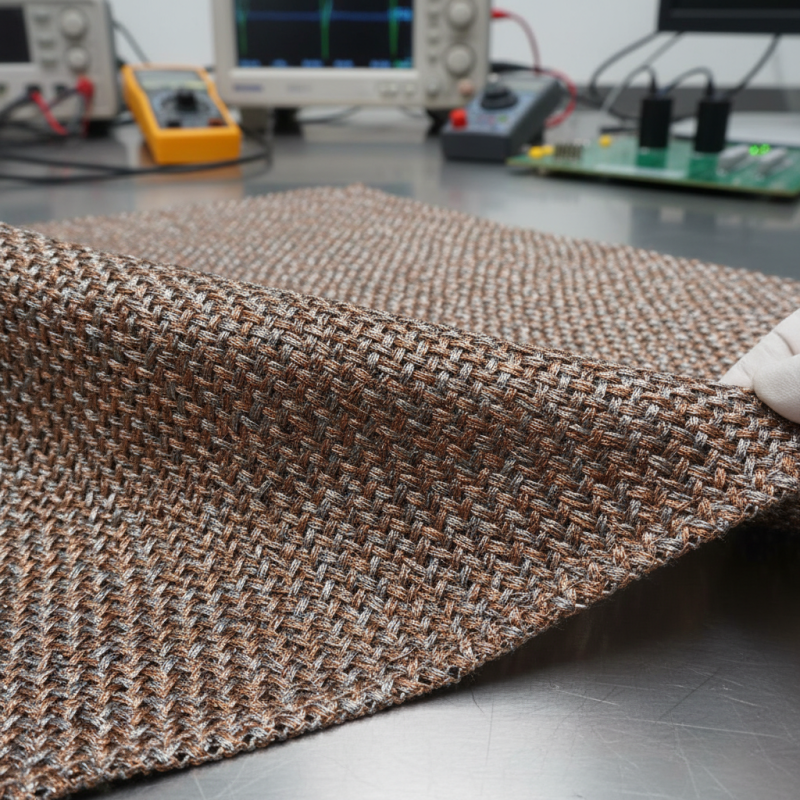
2026 Best China Wholesale Copper Nickel Conductive Cloth Products Guide?

Overview of Copper Nickel Conductive Cloth Products

Copper nickel conductive cloth is gaining popularity in various industries. This versatile material combines copper and Nickel fibers for enhanced conductivity. Its unique properties make it useful for applications such as electromagnetic shielding. Many manufacturers are exploring this product for new developments.

When considering copper fiber cloth, look for options that emphasize durability. Anti odor cloth properties are essential for applications needing long-lasting performance. Some products may not meet these criteria, so always do thorough research.

Tips: Test the cloth in real applications. Conductivity can vary based on production methods. Be aware that cheaper options may lead to poor performance. Also, consider the environmental impact of your choices. Make informed decisions that align with your values and needs.

Key Properties and Benefits of Copper Nickel Conductive Cloth

Copper nickel conductive cloth is gaining recognition in various industries due to its unique properties. This fabric blends copper and nickel at a specific ratio, resulting in excellent conductivity. Reports indicate its electrical conductivity can reach up to 1.25×10⁶ S/m. This makes it a preferred choice for applications requiring signal shielding.

One significant benefit of copper nickel conductive cloth is its durability. It shows substantial resistance to corrosion and wear, ensuring long-lasting performance. This cloth also possesses excellent mechanical properties, which are crucial in demanding environments. Studies show that this material can withstand stress while maintaining its shape and functionality. However, sourcing high-quality fabric can sometimes be challenging, and not all suppliers meet the demanded standards.

Environmental considerations are also essential. Opting for sustainable materials is now a priority in the textile industry. The incorporation of "100% Recycle Polyester Anti Static Conductive Fabric" alongside copper nickel options offers promising solutions. The development of this environmentally friendly conductive cloth is still underway. Ensuring quality while adhering to green practices is an ongoing challenge. Balancing performance with sustainability is necessary for the future of conductive textiles, including Copper Nickel Conductive Cloth Signal Shielding Fabric and Faraday Fabric for RFID Protection.

Applications of Copper Nickel Conductive Cloth in Various Industries

Copper nickel conductive cloth is gaining traction in various industries, thanks to its unique properties. This material is known for its excellent electrical conductivity and durability. It is flexible and can be easily integrated into different products. One key application is in the electronics sector. Smartphones and other gadgets require protection from electromagnetic interference (EMI). This conductive cloth serves as a barrier, ensuring devices operate without disruption.

In automotive manufacturing, the use of copper nickel conductive cloth is also noteworthy. It can be found in wiring harnesses and shielding applications. By providing a robust solution against RF signals, it enhances vehicle stability. Furthermore, in the healthcare field, this fabric plays a critical role. Hospitals use it to create barriers that protect sensitive equipment from radiation.

Reflecting on its uses, challenges arise. The cost of materials may limit widespread adoption. Additionally, not all products perform equally well in real-world conditions. Balancing cost and performance is crucial. For instance, the Faraday Fabric Shielding Block WiFi/RF Anti-Radiation Conductive Magnetic Copper/Nickel Emf Protection Cloth Conductive Fabric demonstrates effectiveness but at a price. It's vital to consider these factors in product development.

Top Manufacturers and Suppliers in the China Wholesale Market

The China wholesale market offers a range of copper nickel conductive cloth products. In recent years, the demand has surged, driven by industries requiring advanced conductive materials. Reports estimate that the conductive fabric market will reach $1.5 billion by 2026, showcasing significant growth potential.

Top manufacturers excel in producing soft plain copper nickel cloth that meets varied specifications. Many suppliers focus on the unique properties of silver conductive fabric and RFID blocking capabilities. Ensuring high quality remains a challenge. Some manufacturers struggle with consistency in fabric thickness and conductivity levels, which can impact product performance.

Selecting the right supplier is crucial. Buyers should prioritize suppliers with a transparent production process. It's essential to assess whether they adhere to quality control standards. Additionally, the fluctuating prices of raw materials can affect profitability. Engaging in thorough research and maintaining communication with suppliers can help mitigate these risks and establish strong partnerships.

Criteria for Selecting the Best Quality Copper Nickel Conductive Cloth

When selecting copper nickel conductive cloth, key criteria often include material quality, weave type, and conductivity. The fabric's composition significantly affects its performance. High-quality copper and nickel blends provide superior conductivity. Weave patterns can influence durability and flexibility. The right choice is critical for specific applications.

Another important aspect is thickness. Thicker cloth can offer better shielding, but it may lack flexibility. Balancing thickness and pliability can be challenging. Some users might find it tough to achieve the desired combination. Testing different options can lead to better outcomes.

Finally, durability and resistance to wear should be assessed. Conductive cloths endure various environments. Consider how extreme conditions may affect the cloth's performance. Reflecting on user experiences can provide valuable insights. It’s essential to weigh the advantages and drawbacks before making a decision.

2026 Best China Wholesale Copper Nickel Conductive Cloth Products Guide

Product Type Conductive Layer Material Fabric Weight (g/m²) Width (cm) Thickness (mm) Electrical Conductivity (S/m) Heat Resistance (°C) Best Use Cases
Standard Copper Nickel Alloy 200 150 0.5 500 120 Electronics, EMI Shielding
High Conductivity Copper Nickel Alloy + Carbon Fiber 300 180 0.7 800 130 Aerospace, Automotive
Thermal Conductive Copper Nickel Alloy + Insulating Layer 250 160 0.6 600 100 Consumer Electronics, Medical Devices
Lightweight Copper Nickel Alloy 180 140 0.4 450 110 Textiles, Personal Gadgets

Comparative Analysis of Different Types of Conductive Cloths

Conductive cloths come in various types, each suited for specific applications. Copper-nickel conductive cloth is one prominent option. It combines excellent conductivity with flexibility. This cloth is often used in shielding and grounding applications. However, choosing the right type is crucial for optimal performance.

When comparing different conductive cloths, consider thickness and material composition. Thicker cloths may offer better durability, yet they might be less flexible. On the other hand, lighter options are easier to use but may not provide the same level of protection. Some users overlook these factors, resulting in subpar performance.

Tips: Always test samples before fully committing. This ensures compatibility with your needs. Another idea is to examine how the cloth interacts with other materials. Sometimes, unexpected reactions can affect your project. Keep an eye on the latest developments in conductive cloth technology. Staying informed can lead to better choices.

Future Trends in Copper Nickel Conductive Cloth Products

2026 Best China Wholesale Copper Nickel Conductive Cloth Products Guide?

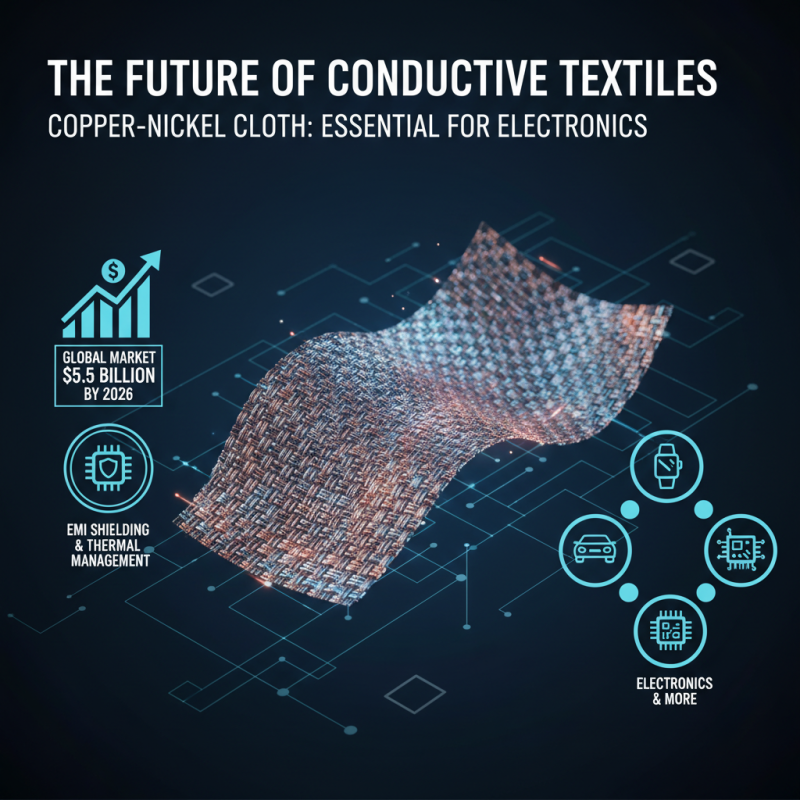
The future of copper nickel conductive cloth products looks promising. With the growing demand for electronics, this material is becoming essential. Research shows that the global conductive textiles market is expected to reach $5.5 billion by 2026. Copper nickel conductive cloth offers thermal management and electromagnetic interference (EMI) shielding benefits. These features make it suitable for various applications, from wearables to automotive components.

Tips: Consider the characteristics of the cloth when selecting materials for your project. The thickness can greatly affect conductivity and flexibility. Understanding the right balance is crucial for optimal performance.

Sustainability is a key focus in the industry. Manufacturers are exploring eco-friendly production methods. This shift could reduce waste and improve environmental impact. However, not every company is adapting quickly enough. Research indicates that 30% of firms lag in sustainable practices. The journey involves trial and error. Future innovations will likely emerge from these challenges, offering refined solutions. Exploring these trends now can position businesses ahead of the competition.

FAQS

: What is the primary objective of this topic?

: The main goal is to provide useful information. It helps inform and educate users.

Who can benefit from this information?

Anyone seeking knowledge can benefit. Students, professionals, and curious individuals find value.

How can I use this information effectively?

Apply the insights to real-life situations. Analyze your specific needs and adapt accordingly.

Are there any potential challenges in understanding this?

Yes, complex concepts may cause confusion. Take time to reflect and break down the information.

What kind of details should I focus on?

Focus on specific examples and practical applications. Abstract ideas may not be as helpful.

Can this information change over time?

Yes, information can evolve. Always check for updates and new insights to stay informed.

How often should I revisit this content?

Regular revisits are beneficial. Revising can lead to deeper understanding and retention.

Is there room for personal interpretation?

Absolutely. Personal experiences shape how you understand the information. Reflect on your perspective.

What should I do if I find inconsistencies?

Identify and question those inconsistencies. Seek additional resources for clarity and confirmation.

Can I share this information with others?

Yes, sharing is encouraged. Discussing with others can enhance understanding and invite diverse views.

Conclusion

The article "2026 Best China Wholesale Copper Nickel Conductive Cloth Products Guide" provides an in-depth exploration of copper nickel conductive cloth, highlighting its key properties, benefits, and wide-ranging applications in various industries. Known for its excellent conductivity and durability, copper nickel conductive cloth is increasingly utilized in electronics, aerospace, and automotive sectors, among others.

The guide also emphasizes the importance of selecting high-quality copper nickel conductive cloth by presenting criteria to evaluate the best options available in the China wholesale market. Additionally, it includes a comparative analysis of different types of conductive cloths, helping businesses make informed decisions. Lastly, the article discusses future trends in the development of copper nickel conductive cloth products, offering insights into how they will evolve in response to industry needs and technological advancements.

Aria

Aria

Aria is a dedicated marketing professional at SHIJIAZHUANG 3L TECHNOLOGY CO., LTD., where she has been instrumental in showcasing the company's expertise since its inception in 2009. With a profound understanding of high-performance technical textiles, Aria plays a pivotal role in transforming......
Previous Exploring the Versatility of Silver Coated Fabric for Global Industries