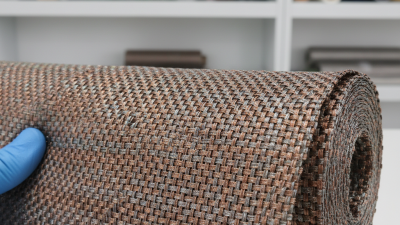
When you look into advanced materials these days, one thing that really catches the eye is Copper Nickel Conductive Fabric. It’s pretty amazing because it conducts electricity so well, which makes it super useful for electronics and shielding stuff. There’s actually a report from MarketsandMarkets saying that this whole conductive fabric market is expected to grow at an eye-popping rate of about 32.9% CAGR from 2021 to 2026. And honestly, that makes sense—people want tougher, more efficient materials, so the demand just keeps climbing.
I spoke with Dr. Jonathan Lee, a guy who really knows his stuff about these kinds of materials, and he mentioned, “Copper Nickel Conductive Fabric is changing the game in the Textile world thanks to its versatility and performance.” Companies are constantly trying to improve on this fabric—like, there's this interesting product called Copper/Nickel RFID Shielding Block WiFi/RF Anti-Radiation Conductive Magnetic EMF Protection Cloth that's gaining a lot of attention because of all its uses. But, of course, the tricky part is figuring out how to keep performance high without making it super expensive.
One thing to watch out for—some manufacturers might get tempted to rush products to market without thorough testing. It’s really important to make sure these Fabrics are safe and work like they’re supposed to, while also being cost-effective. The possibilities are pretty exciting, but moving forward will need some serious reflection and a real focus on quality. The future of Copper Nickel Conductive Fabric really depends on how well companies can balance technology advances with what consumers actually need—that’s the key to success here.
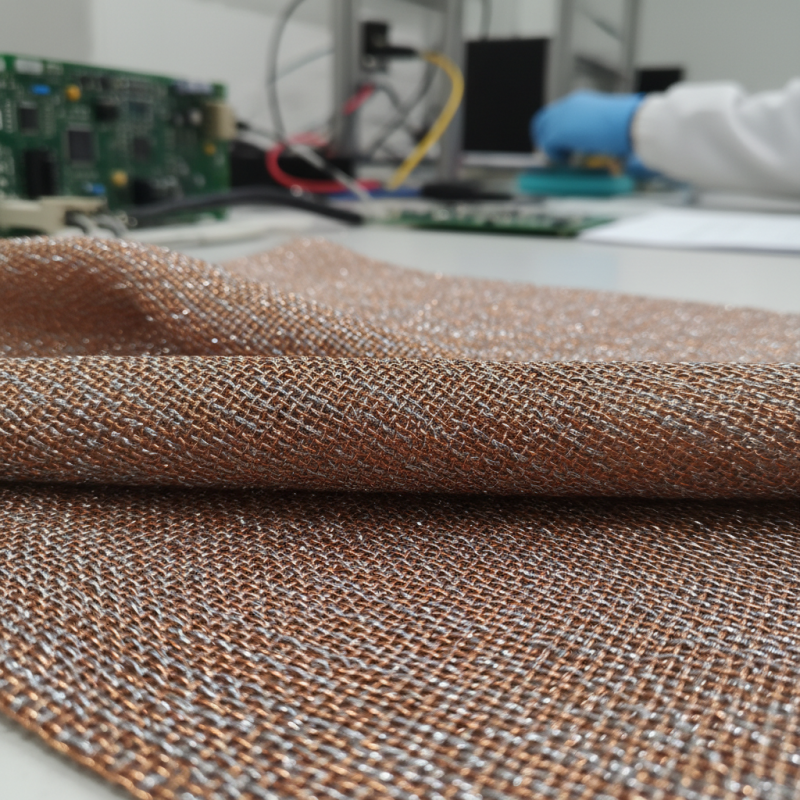
Copper nickel conductive fabrics play a vital role in today’s wholesale market. These materials are often used for various electronic applications. The unique properties of copper nickel make them suitable for effective EMI shielding. In industries like telecommunications, this fabric is key for protecting devices from electromagnetic interference. Many companies seek wholesale options to lower costs while maintaining quality.
The versatility of copper nickel shielding fabric is impressive. It can be woven into various textures and thicknesses. This allows manufacturers to tailor their products for specific uses. Some fabrics are soft and flexible, while others are more rigid. Each type offers distinct advantages. It’s important to weigh these differences when making purchasing decisions.
As buyers explore options, quality should not be overlooked. Not all fabrics meet the same standards. Some may lack the essential conductivity needed for effective shielding. This can lead to subpar performance in sensitive applications. Potential buyers should carefully evaluate the sourcing and manufacturing processes. Understanding these factors can lead to better purchasing choices in the wholesale market. Copper nickel EMI shield fabric can prove indispensable if chosen wisely.
Copper nickel conductive fabrics offer unique properties that benefit various industries. These fabrics are known for their excellent electrical conductivity. Reports indicate that they can provide a conductivity range from 3 to 10 S/m, making them suitable for applications requiring efficient signal transmission. Their lightweight nature adds to their appeal, making them easy to integrate into different products.
The durability of copper nickel conductive fabric is another significant advantage. This material shows resilience in various conditions, maintaining its integrity over time. Many professionals are drawn to its anti-static properties, which help reduce static electricity accumulation. This is especially important in electronics and sensitive equipment settings. Additionally, the 100% recycle polyester anti-static conductive fabric workwear fabric enhances sustainability while ensuring performance.
However, some challenges remain. Pricing can be a concern for smaller businesses. The balance between cost and quality is often debated. Users report mixed experiences with the longevity of certain products. Quality control in the manufacturing process remains a critical issue. That’s why it's vital to thoroughly evaluate options. Exploring signal shielding fabric or Faraday fabric variations may offer alternative solutions. Conductive cloth innovations are blossoming, which could lead to more options.
Copper nickel conductive fabric products have a wide range of applications across various industries. They are particularly valuable in the fields of electronics and telecommunications. Many manufacturers use these materials to create flexible circuits and antennas. The combination of copper and nickel offers excellent conductivity. This ensures efficient signal transmission and minimal signal loss.
In the automotive sector, conductive fabrics serve critical roles. They are often used in interior components to reduce electromagnetic interference. This is crucial for modern vehicles equipped with complex electronic systems.
Additionally, healthcare facilities utilize these fabrics in protective clothing and equipment. The materials can help block unwanted signals, fostering a safer environment for medical devices.
Environmental concerns arise with these materials. The production processes can produce waste that impacts ecosystems. It's essential for manufacturers to reconsider their methods. Developing sustainable practices can help mitigate this issue.
Furthermore, the durability of fabrics can sometimes lead to challenges in recycling. It’s crucial for the industry to address these shortcomings. Balancing innovation with environmental responsibility is vital for future growth.
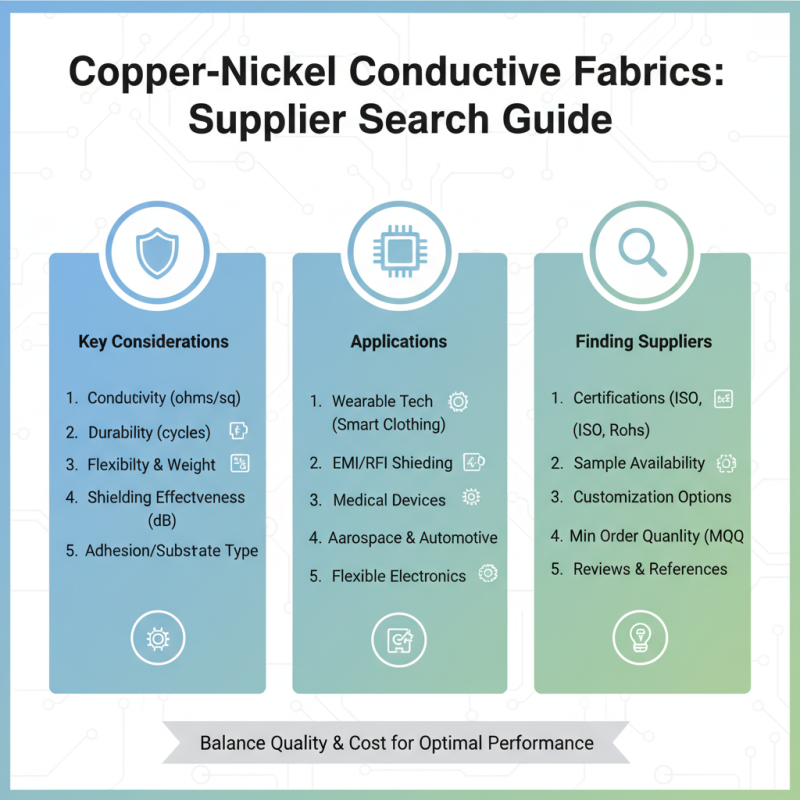
When searching for reliable suppliers of copper nickel conductive fabrics, it's essential to consider various factors. These materials are vital in various applications, including electronics and wearable technology. Many manufacturers offer diverse products, but the quality and specifications vary significantly. Some focus on high conductivity, while others prioritize durability. Striking a balance can be challenging.
It's important to assess the experience of each supplier. Newer companies may bring innovation, but established ones often provide proven reliability. Look for suppliers that offer samples. Testing the fabric in real-world conditions can reveal strengths and weaknesses. Some suppliers may lack transparency. Verifying their claims can save future headaches.
Networking within the industry can provide invaluable insights. Engaging with other professionals might lead to discovering lesser-known suppliers with quality offerings. Also, paying attention to feedback is crucial. Every product has its detractors, but consistent criticism should raise red flags. Make informed choices based on comprehensive research rather than impulse purchases.
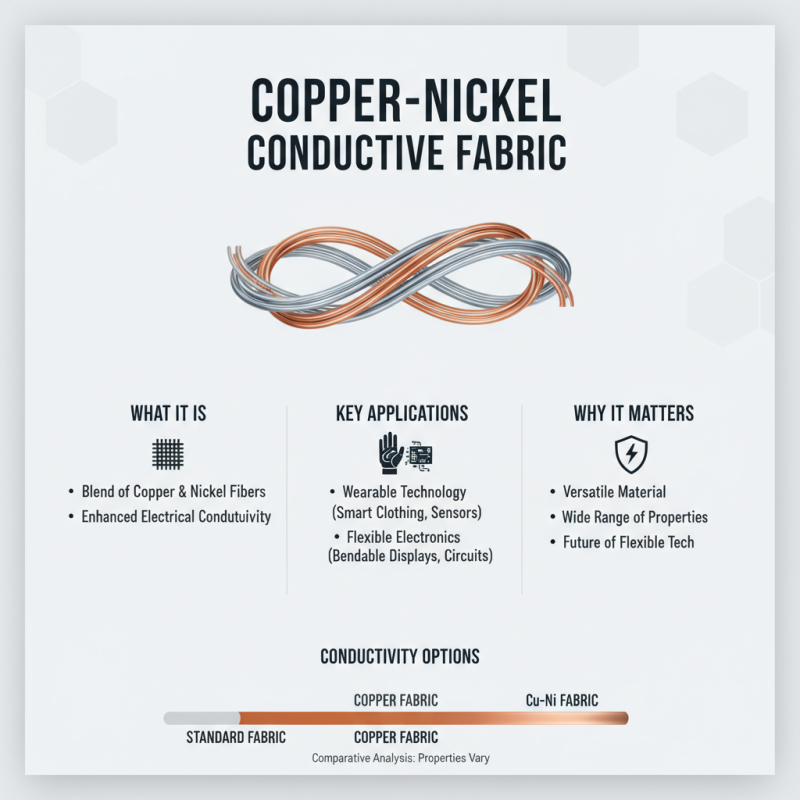
Copper nickel conductive fabric is gaining attention. This material blends copper and nickel fibers to enhance electrical conductivity. It finds applications in wearable technology and flexible electronics. A comparative analysis shows a range of options with varying properties.
Some fabrics offer excellent flexibility. They’re suitable for garments that require movement. Other types focus on higher durability, essential for industrial applications. However, flexibility can sometimes compromise strength. Evaluating trade-offs is crucial when making choices. Buyers often face challenges in balancing conductivity and cost.
Certain fabrics excel in shielding abilities against electromagnetic interference. This feature is valuable for electronic devices. On the flip side, these may be less breathable. Consumers should reflect on their needs before purchasing. Some fabrics may also lose conductivity over time. Regular testing can prevent performance issues. It's essential to weigh short-term savings against long-term reliability.
When sourcing wholesale conductive fabrics, you need to focus on several key factors. The fabric's conductivity is paramount. Different materials have distinct conductive properties. Copper and nickel blends often provide better performance. It’s essential to assess how these fabrics will be used. For wearables, flexibility and comfort matter significantly.
Another consideration is durability. Conductive fabrics should withstand regular use and washing. Seek fabrics that maintain conductivity after multiple washes. Look for suppliers who provide detailed specifications. This transparency can save you from major headaches later. Pricing should also be evaluated cautiously. Low prices can indicate lower quality. Ensure the fabric meets your requirements before making bulk purchases.
Quality control is often overlooked. Suppliers should have a solid quality assurance process. Request samples to evaluate the feel and durability. This step can reveal potential issues. Additionally, consider the supplier's reputation in the industry. Poor communication or inconsistent delivery can disrupt your production schedule. Keep these factors in mind for effective sourcing.
| Product Type | Conductivity (S/m) | Fabric Weight (g/m²) | Width (cm) | Applications | Price Range (per meter) |
|---|---|---|---|---|---|
| Copper Nickel Blend | 5.0 | 200 | 150 | Smart Fabrics, Wearables | $15 - $25 |
| Conductive Textiles | 8.5 | 180 | 130 | Medical Devices, E-textiles | $20 - $30 |
| Silver-Coated Fabric | 10.0 | 220 | 160 | RF Shielding, Anti-Static | $25 - $35 |
| Conductive Non-Woven | 6.5 | 150 | 140 | Industrial Applications | $12 - $22 |
| Embedded Conductive Lines | 7.0 | 250 | 120 | Consumer Electronics | $18 - $28 |
| Stretchable Conductive Fabric | 9.0 | 210 | 150 | Sportswear, Fashion | $22 - $32 |
| Heat Conductive Fabric | 6.0 | 200 | 140 | Heating Elements | $16 - $26 |
| Electromagnetic Shielding Fabric | 8.0 | 240 | 130 | Shielding Solutions | $24 - $34 |
| Flexible Circuit Fabric | 7.5 | 210 | 140 | IoT Devices | $19 - $29 |
Future trends in copper nickel conductive fabric technologies are rapidly evolving. The global market for conductive fabrics was valued at approximately $2.5 billion in 2022. Analysts project it will reach $4 billion by 2028, driven by high demand for wearable devices. These fabrics offer unique properties, making them ideal for various applications.
Innovations are emerging in material compositions. Copper nickel blends are gaining attention due to their enhanced conductivity and flexibility. A recent report highlights that industries are opting for Conductive Copper RF Shielding Fabric 200 Micron Copper Mesh for Faraday Cage Copper Fabric. This product is praised for its ability to effectively block electromagnetic interference, which is increasingly important as technology advances.
Sustainability is another vital aspect. Manufacturers are exploring eco-friendly materials, but challenges persist. Not all processes are efficient. Some methods produce significant waste or require toxic chemicals. Stakeholders need to consider these issues while meeting market demands. Balancing performance, cost, and environmental impact will shape the future of copper nickel conductive fabrics.
: The product aims to improve daily life in specific ways. It enhances efficiency and brings convenience.
Follow the manual closely. Ensure proper setup and troubleshooting. Regular maintenance helps maintain performance.
Yes, always handle the product with care. Avoid exposing it to extreme conditions. Read safety warnings before use.
Check troubleshooting options provided in the manual. Sometimes, resetting can solve the issue. Seek professional help if needed.
Yes, there is a support team to help users. You can reach them via email or phone. Response times may vary.
Yes, the product is versatile. It adapts to multiple scenarios, but results may differ. Personal experience plays a role.
Some users face setup challenges. Others report occasional performance dips. These are not universal experiences, though.
Repairs are possible, but it depends on the issue. Some parts are replaceable, while others are not. Check with support.
Yes, a warranty usually covers certain defects. Read the fine print to understand coverage details. Not all issues are included.
Review your needs carefully. Consider how the product aligns with them. Personal preferences will influence your decision.
Copper Nickel Conductive Fabric is gaining traction in the wholesale market due to its unique properties and benefits, including excellent conductivity, durability, and resistance to corrosion. This fabric is extensively used across various industries such as electronics, automotive, and healthcare, showcasing its versatility and essential role in modern technology.
In sourcing Copper Nickel Conductive Fabrics, it is important to consider several factors such as the fabric's conductivity levels, mechanical properties, and compatibility with intended applications. As the market evolves, emerging trends and technological advancements promise to enhance the performance and applications of these conductive fabrics, indicating a bright future for their use in innovative industrial solutions.