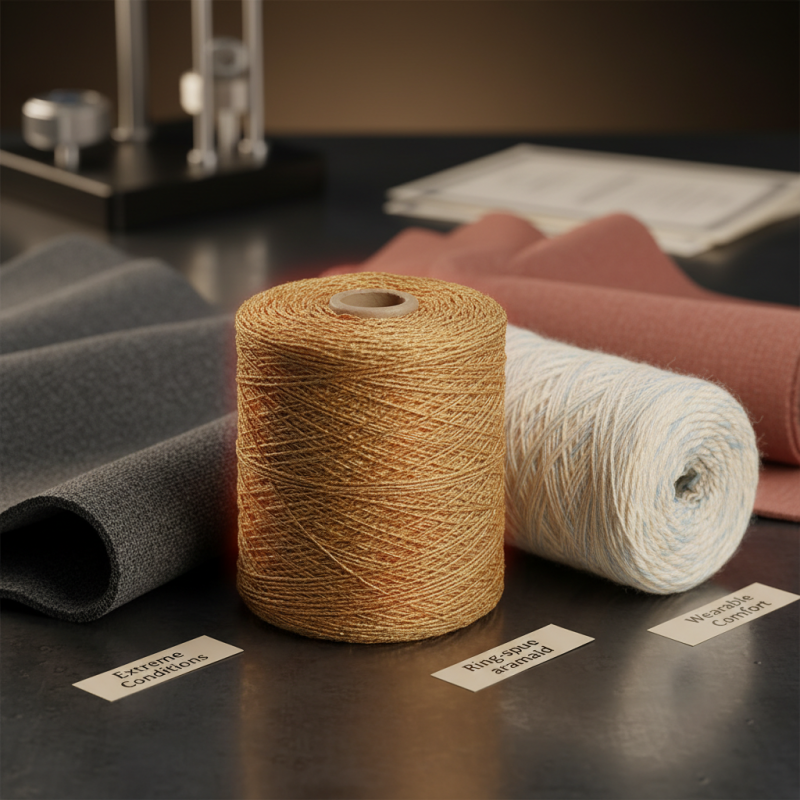
Picking the right Flame Retardant Yarn isn't just a technical detail—it’s actually pretty important for safety and how well things work. Different industries have their own unique needs, so really understanding those is key to making the right choice. It’s kind of like shopping for the perfect gear—you gotta consider what you’ll be using it for. For really tough conditions, Inherent Flame Retardant Meta Aramid Yarn is often the way to go. It’s super good at handling heat and can stand up to harsh environments without losing quality. On the other hand, Fire Retardant Ring Spun Aramid Yarn offers a different vibe—it’s softer and more comfortable, which makes it a great pick for wearable stuff like protective clothing.
When you're choosing, don’t forget to check out things like certifications and performance. Not all Flame Retardant Yarns are created equal, and testing standards matter. It’s important to look for options that meet industry standards—trust me, skipping this step can come back to bite you. Sometimes folks get swayed just by price or looks, but understanding your specific needs and picking accordingly is really the way to go. Remember, one size definitely does not fit all here!
Understanding Flame Retardant Yarn and Its Importance
Flame retardant yarn is essential in various industries. It helps reduce the risk of fire hazards in many environments. Many people could underestimate its importance. This type of yarn is treated to withstand ignition and slow down flame spread. Understanding its properties is crucial for safety in textiles, especially in protective clothing.
Fire Retardant Meta Aramid 40/3 Sewing Thread Yarn for Flame Retardant Fabric is designed for durability and protection. It offers flexibility, making it easy to work with. However, not all flame retardant yarns are created equal. Choosing the right one depends on your specific needs. Factors like the environment and expected exposure to heat play a critical role in the decision-making process.
Some might overlook flame retardant yarns, thinking they are too costly. Yet, the investment is worth the peace of mind. Always consider the consequences of not using quality materials. Reflecting on safety and material choice is vital for anyone involved in manufacturing or safety gear. Otherwise, the risks can be dire and long-lasting.
Types of Flame Retardant Yarns Available in the Market
When selecting flame retardant yarn, understanding the types available is crucial. A range of options exists today, each with unique benefits. Meta aramid yarn is commonly used for its high strength and heat resistance. This type of yarn is favored in protective clothing and industrial applications. It provides excellent durability, which is essential in high-risk environments.
Another notable option is the PARA aramid yarn. This yarn type offers superior flexibility and is lightweight, making it suitable for various applications. You might find PARA aramid used in aerospace or military gear, where performance is paramount. Furthermore, fireproof yarns like Meta/PARA aramid sewing thread 1313 / 1414 are essential for ensuring seam integrity under extreme conditions.
**Tips:** Always consider the specific environment where the yarn will be used. Not all flame retardant yarns provide the same level of protection. Take time to research and compare properties. A slight error in judgment could lead to inadequate safety measures. Verify certifications and test results to ensure compliance with safety standards. Your choice could be pivotal for safety and performance.
Key Properties to Consider When Choosing Flame Retardant Yarn
When selecting flame retardant yarn, several key properties must be considered. Thermal resistance is crucial, as it determines how well the yarn can withstand high temperatures. Look for materials such as Meta Aramid Yarn. This type exhibits excellent heat stability. It can maintain its integrity longer than other fibers under extreme conditions. Another aspect to evaluate is the fabric's strength. Durable yarn will perform better in applications where wear and tear are issues.
Moisture management is also vital. Some flame retardant yarns absorb moisture, which can reduce their protective qualities. Ideal options like Black Flame Retardant Aramid Fiber Yarn 30s/2 offer lower moisture absorption without sacrificing performance. Additionally, consider whether the yarn can be dyed. Some applications require specific colors without compromising safety. Keep in mind that not all flame-retardant treatments are the same. Some might lead to a decrease in flexibility or comfort.
Reflecting on your needs is important. Your project may require a balance of heat resistance and comfort. It’s not always simple to find the perfect yarn. Conducting tests on samples can provide insights into how the yarn performs under real-world conditions. The right choice should align closely with your specific requirements while meeting safety standards.
Key Properties of Flame Retardant Yarns
Assessing the Fire Safety Standards Relevant to Your Needs
When choosing flame retardant yarn, understanding fire safety standards is crucial. Different applications have unique requirements. Some materials resist flames better than others. Knowing these distinctions can guide your choice.
Tip: Check for certifications. Look for yarn that meets or exceeds relevant fire safety regulations. This ensures the material is tested and reliable. A compliant product offers peace of mind in high-risk scenarios.
Different industries may require different levels of flame resistance. A fire safety standard for upholstery may vary from that for industrial use. Ensure your selection aligns with application needs. For example, using Factory Direct Cut Resistant Yarn PARA Aramid Kevlar Yarn Flame Retardant Yarn Thread for Glove provides a balance of durability and protection.
Tip: Evaluate the environment where the yarn will be used. Consider exposure to high heat or flames. In certain settings, combining flame retardant properties with cut resistance is essential. Choose yarns designed specifically for your unique challenges.
Evaluating Cost vs. Performance in Flame Retardant Yarns
When evaluating cost versus performance in flame retardant yarns, it’s essential to consider your specific needs. The price often reflects the quality and safety features of the materials. However, a higher price does not always guarantee better performance. Sometimes, cheaper options perform adequately for certain applications. Analyze the requirements of your project closely.
Tips: Look for certifications on flame retardant yarns. These can provide reassurance about their effectiveness. Understand the environment where the yarn will be used. Some applications might not need extensive fire protection. Evaluate if the yarn meets the necessary safety standards.
Performance is crucial in these materials. Consider how the yarn behaves under stress and heat. Some lower-cost options might ignite quickly or deform under high temperatures. Testing a sample in real-world conditions can give you insights into its performance. Always document these findings for future reference.
Ultimately, balancing cost with performance is a challenge. Prioritize your needs and make informed decisions. Sometimes, the right choice requires compromise, but safety should not be an afterthought.
How to Choose the Best Flame Retardant Yarn for Your Needs?
| Yarn Type | Cost per Yard | Flame Resistance Rating | Durability | Weight | Color Options |
| Nomex | $2.50 | FR Class 1 | High | Lightweight | Limited |
| Kevlar | $3.00 | FR Class 2 | Very High | Medium | Multiple |
| FR Cotton | $1.50 | FR Class 3 | Medium | Heavy | Limited |
| Polyester | $1.20 | FR Class 2 | Medium | Lightweight | Moderate |
Best Practices for Care and Maintenance of Flame Retardant Yarns
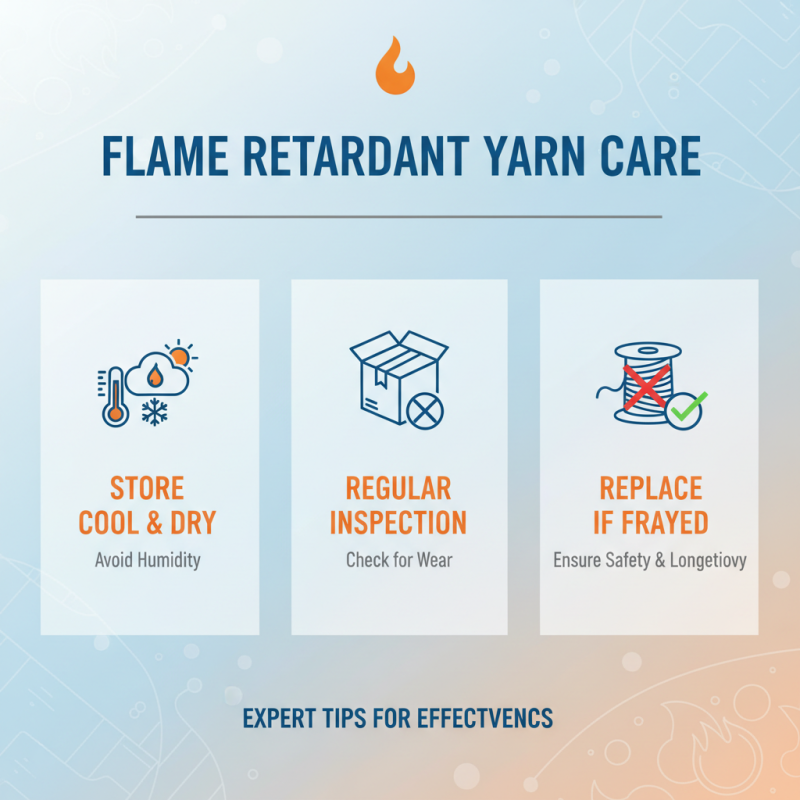
When handling flame retardant yarns, proper care and maintenance are crucial for their effectiveness. Many experts suggest storing these yarns in a cool, dry place. High humidity can affect their properties. Regularly inspect the yarn for signs of wear. If fraying occurs, replace it immediately. This ensures safety and longevity.
Tip: Always wash flame retardant yarns in cold water. Hot water can degrade their protective qualities. Follow care labels closely. Machine drying should be avoided. Air drying is best for preserving the flame retardant properties.
According to industry data, flame retardant fibers can lose up to 15% of their effectiveness if not cleaned properly. Use mild detergents free from harsh chemicals. This keeps the yarn intact. Be aware that excessive exposure to sunlight can also weaken the fabric. Protection against UV rays is essential to maintain safety standards.
Tip: Consider rotating usage. Regularly changing the set of yarns in use can help in reducing wear and extend their lifespan. Always document any changes or issues you encounter. Keeping records can help in decision-making for future purchases.
Practical Applications and Use Cases for Flame Retardant Yarns
Flame retardant yarns are essential in various industries. These specialized materials are increasingly used in sectors such as upholstery, transportation, and industrial textiles. For instance, they are often integrated into curtains, furniture, and safety gear to minimize fire hazards. In the automotive industry, flame retardant yarns contribute to safer passenger compartments. They are a critical component in the production of seat covers and interior linings, addressing safety regulations effectively.
Another practical application can be found in protective clothing. Workers in hazardous environments rely on these yarns. The use of flame retardant fabrics in firefighting gear or welding apparel can significantly reduce injury risks. However, choosing the correct type can be challenging. Factors like durability, comfort, and specific fire safety ratings must be considered.
While many options exist, it’s not always clear which is best suited for each application. Some materials may feel stiff or heavy, which can affect usability. Ultimately, the choice should balance safety and comfort without compromising performance. It’s also essential to regularly assess the condition of these textiles. Over time, flame retardant properties can diminish. Keeping up with maintenance and updates is key to ensuring safety is upheld.
Exploring the Versatility and Benefits of PBO Fiber Yarn in Modern Textile Applications
PBO (Polybenzoxazole) fiber yarn has emerged as a game-changer in the textile industry, renowned for its impressive versatility and robust performance characteristics. This advanced material showcases exceptional temperature resistance, withstanding extreme conditions up to 450 degrees Celsius, making it an essential component for specialized applications in various high-performance environments. The unique properties of PBO staple fiber yarn include excellent spunability and superior cutting, puncture, and thermal resistance, ensuring safety and durability in critical settings.
With the increasing demand for specialized technical fabrics, industries such as firefighting, aerospace, and glass processing are increasingly relying on PBO fiber yarn. Recent market reports indicate a significant growth trajectory for high-temperature resistant materials, driven by heightened safety regulations and the need for efficient protective clothing and gear. Applications range from fire rescue garments and high-temperature filter belts to cutting-resistant and puncture-resistant fabrics. In particular, PBO’s role in creating resilient fire-fighting apparel and protective overalls highlights its indispensable contribution to worker safety in hazardous environments.
Furthermore, the versatility of PBO fiber extends into the manufacturing of high-temperature felts used in the processing of aluminum profiles and tempered glass. These applications not only enhance the safety of workers but also improve the quality and efficiency of industrial processes. As the textile industry continues to innovate, the adoption of PBO fiber yarn is likely to expand, solidifying its position as a leading material in modern protective solutions.
FAQS
: The articles aim to explore various topics related to personal growth and development.
Consider prioritizing tasks, setting clear goals, and eliminating distractions. Reflect on what works best for you.
Yes, try creating a schedule and sticking to it. Break tasks into smaller chunks to avoid feeling overwhelmed.
A positive mindset can enhance motivation and resilience. It’s important to challenge negative thoughts regularly.
Set boundaries between work and personal life. Regularly assess if you’re giving enough attention to both.
Self-reflection can help identify strengths and weaknesses. It allows for better decision-making and personal growth.
You may encounter self-doubt or fear of change. Embracing discomfort can lead to significant growth over time.
Regular check-ins, perhaps monthly or quarterly, can provide insight into your progress and necessary adjustments.
Yes, resilience can be built through experience and learning from failures. Each challenge presents an opportunity for growth.
It’s normal to feel unmotivated at times. Finding inspiration from others or connecting with a support group may help.
Conclusion
Flame Retardant Yarn plays a crucial role in enhancing fire safety across various applications, from industrial textiles to everyday fabrics. Understanding the different types of flame retardant yarns available in the market is essential for making informed choices based on your specific needs. Key properties such as yarn composition, durability, and compliance with fire safety standards should be thoroughly assessed to ensure optimal performance.
When selecting flame retardant yarn, it's also important to evaluate the balance between cost and performance, as higher quality options may offer better protection and longevity. Additionally, adopting best practices for the care and maintenance of these materials can significantly extend their effectiveness. With a variety of practical applications, flame retardant yarn is an essential consideration in industries where fire safety is a priority.