When you're choosing the best MTB Metal Wire Rope, it's pretty important to really understand what you need. Industry pro John Smith from Steel Innovators puts it simply: “The right Wire rope can totally boost your ride and keep you safe.” That little quote kind of sums up why making an informed choice matters, right?
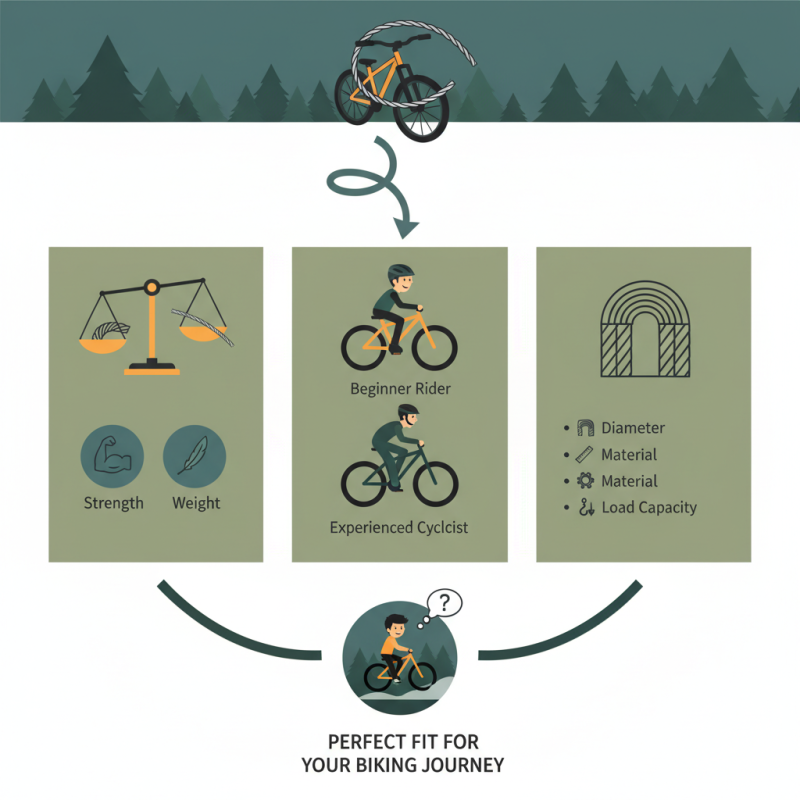
Think about the features you can pick from with MTB Metal Wire Rope—things like diameter, material, and how much weight it can handle. A thicker rope might be tougher, but it’s also going to be heavier, which can slow you down. Finding that sweet spot between a rope that's strong enough but not too heavy? Yeah, it’s a bit of a balancing act.
And hey, everyone’s riding style is different. If you’re just starting out, you probably want something easy to handle. If you're more experienced, you might be eyeing something high-performance. So, really take a moment to think about what suits your riding best. It’s not just about specs—it's about finding that perfect fit for your biking adventure."
Understanding MTB Metal Wire Ropes and Their Applications
When considering MTB metal wire ropes, it's essential to understand their unique applications. These rope types are commonly used in various terrains and conditions. They are often chosen for their durability and strength. Alps, rocky trails, and steep descents demand reliable support. The right metal wire rope can make a significant difference in safety and performance.
Choosing the appropriate wire rope involves several factors. The diameter and tensile strength must match the intended use. Additionally, consider the environmental conditions. Wet or muddy trails may require specific coatings to resist corrosion. Even with expert advice, personal preference plays a key role. Some riders prioritize flexibility, while others prefer stiffness for control.
It's worth acknowledging that selecting the best wire rope is not always straightforward. Mistakes can happen. One might overlook key specifications or ask the wrong questions. Gathering ample information is vital. Don't hesitate to consult with knowledgeable sources. A small misstep can lead to safety issues down the line. Ultimately, understanding your specific needs and the wire rope's features is crucial.
Comparative Analysis of MTB Metal Wire Rope Types
This chart illustrates the load capacity of different types of MTB metal wire ropes, providing clear insights into which material may best suit your needs based on strength and application.
Key Factors to Consider When Choosing MTB Metal Wire Rope
Choosing the right MTB metal wire rope involves several critical factors. The first is strength. A wire rope's tensile strength directly impacts its performance and safety. According to industry reports, a wire rope with a tensile strength of at least 1,600 to 2,000 MPa is recommended for most mountain biking applications. This specification ensures it can withstand rough terrain and heavy loads without breaking.
Another important factor is corrosion resistance. MTB metal wire ropes are frequently exposed to moisture and dirt. Choosing a rope with protective coatings can significantly extend its lifespan. A study noted that untreated ropes can lose up to 50% of their strength after exposure to harsh conditions over time. Additionally, consider the diameter of the wire. Thinner wires may be lighter but can compromise strength. Opt for a diameter that balances weight and durability.
Lastly, flexibilitymatters. A more flexible wire rope can adapt to varying terrains, enhancing performance. However, too much flexibility may lead to unwanted elongation during use. Understanding the specific biking conditions you encounter regularly can guide your selection. It's essential to assess your needs and reflect on past experiences with different rope types to make better decisions.
Different Types of MTB Metal Wire Rope Materials Explained
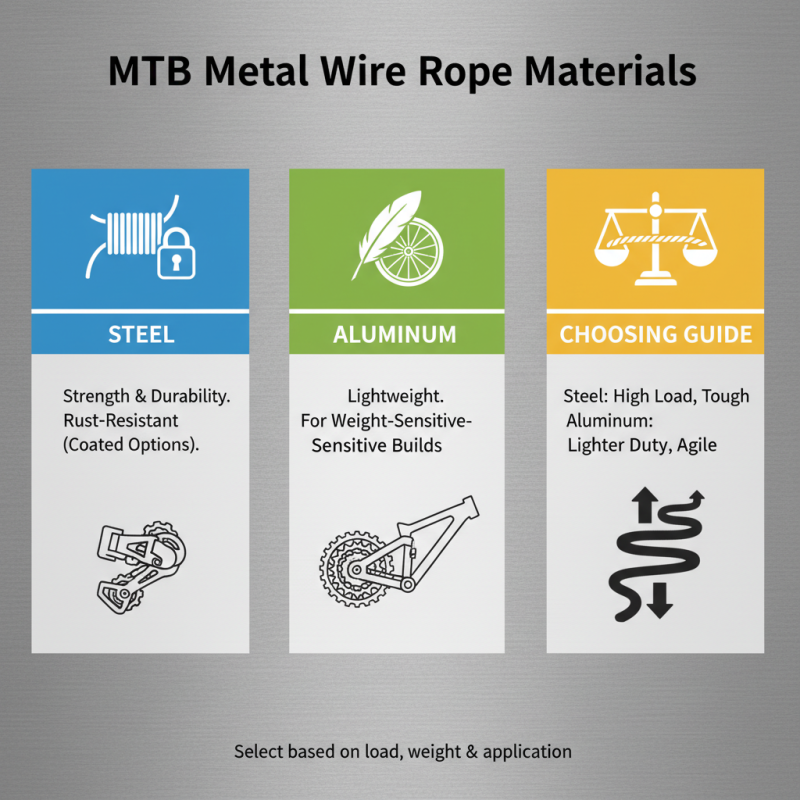
When selecting the right MTB metal wire rope, understanding the materials is crucial. There are various types available, each suited for different applications. Steel is a common choice due to its strength and durability. Some users might worry about rust, but coated options provide added protection. Aluminum wire ropes are lighter. They can be advantageous for projects that require minimal weight. However, they may lack the load capacity of steel.
Another interesting option is synthetic ropes. They offer outstanding resistance to environmental factors. These ropes might be ideal for marine or outdoor use. Balancing between weight and strength becomes essential. Some may find it challenging to choose based solely on these properties. The Mesh Ring Belts with 800 Degrees Used for Covering Automobile Glass MTB Metal Wire Rope are specific examples that demonstrate versatility.
It's vital to assess the requirements of your specific project. Think about the operating environment and load specifications. Overestimating the need for strength can lead to bulkier setups. Underestimating may risk safety. Quality differences exist among types and manufacturers, leading to a need for careful comparison. Choosing the right MTB wire rope requires both knowledge and reflection on your unique needs.
Evaluating Strength and Durability of MTB Metal Wire Ropes
When choosing an MTB metal wire rope, strength and durability are crucial factors. Many users focus on tensile strength alone but often overlook other characteristics. The construction material plays an essential role in the rope's overall performance. For example, 316L stainless steel is renowned for its corrosion resistance and robustness. This type of metal wire rope can withstand harsh conditions and heavy loads.
In practice, it’s beneficial to evaluate the specific application of the wire rope. You might need a rope suitable for heavy-duty use or something more lightweight for less intense tasks. Consider the diameter, as 6mm options often provide a balance between flexibility and strength. Ropes like the Spot 6mm 316L Metal fiber Conductive Rope serve dual purposes, offering anti-static features and effective static elimination. This versatility is vital in various environments, especially in machine equipment setups.
Still, users should reflect on their choices. An overly stiff wire might limit maneuverability, while a too-flexible option may risk breakage under heavy loads. It’s important to find a middle ground that suits your needs. Ultimately, selecting the right MTB metal wire rope requires careful consideration of strength, durability, and specific usage scenarios.
How to Measure the Correct Length for Your MTB Wire Rope
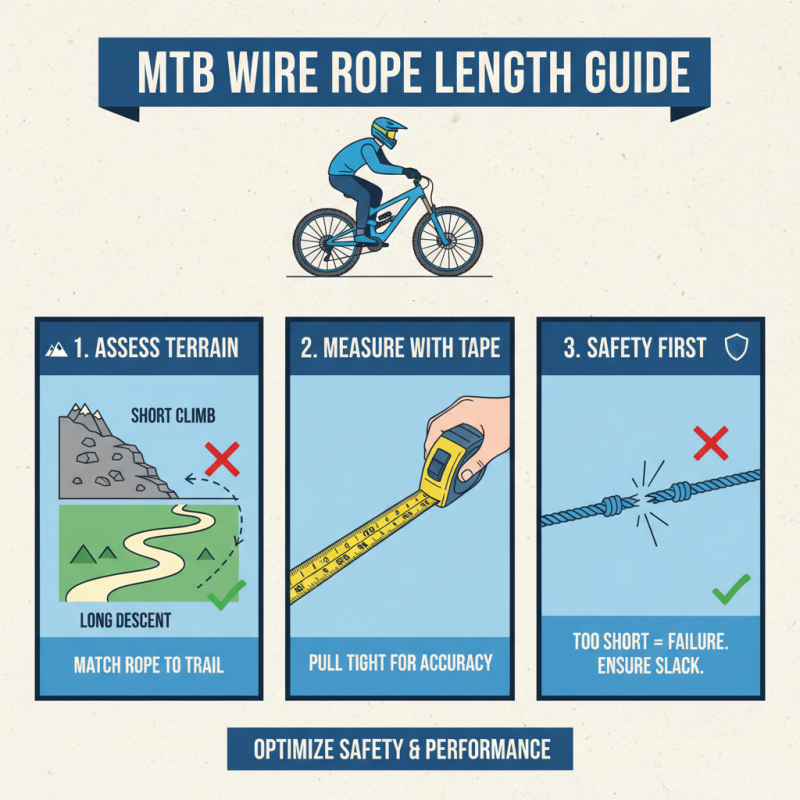
Measuring the correct length for your MTB wire rope is crucial for ensuring safety and performance. Start by assessing the area where the rope will be used. Is it a short climb or a longer descent? Understanding the terrain helps you determine how much length you may need. Remember, a rope too short can lead to failure. For precision, use a measuring tape. Pull it tightly to get an accurate measurement.
Consider the installation points as well. Are there multiple anchor points? If so, you may need additional length to account for those angles. Don’t forget about the potential for wear over time. A Manufacturer Produces Silver Plated Fiber Conductive Metal Rope Stainless Steel Anti Static Rope might experience changes in length due to use and environmental conditions. Always plan for a little extra length; this foresight can prevent future complications.
Lastly, double-check your measurements. Mistakes can happen, especially in outdoor conditions. Review your calculations with a friend or compare them with a guide. This added step can reveal mistakes you might have overlooked. Accurate length measurement ensures your MTB setup is safe and efficient, allowing for a better ride experience.
Assessing the Cost-Effectiveness of MTB Metal Wire Ropes
Choosing the right MTB metal wire rope requires a balance between quality and cost. Assessing cost-effectiveness is crucial. A cheaper rope may save money initially but could lead to higher replacement costs. Consider durability and performance. Select ropes that withstand harsh conditions. Look for materials that resist wear and tear over time.
Tips: Check the specifications of different wire ropes. Don't rush your decision. Evaluate their tensile strength and flexibility. For industrial applications, “Spot Supply of Silver Fiber 6mm3mm Electrostatic Rope Coating Printing Textile Film Industrial Anti-Static Rope” can provide an excellent combination of features. This type of product often enhances safety and efficiency in diverse settings.
It's important to reflect on what you need. Not all wire ropes are created equal. Some may be suited for lighter tasks while others handle heavy loads. Think about the long-term implications of your choice. Weigh the upfront costs against future needs. A well-chosen rope can save you from frequent replacements and ensure reliable performance.
Maintenance Tips for Longevity of Your MTB Metal Wire Rope
When it comes to maintaining your MTB metal wire rope, proper care can significantly extend its life. Regular inspection is essential. A study indicates that 30% of wire rope failures derive from unnoticed wear and tear. Look for signs of fraying or kinking. These issues can compromise the rope's integrity. If you notice any damage, it's crucial to replace the rope immediately before it fails.
Lubrication also plays a critical role in the longevity of wire ropes. According to industry guidelines, applying the right lubricant every 200 hours can reduce friction and wear. This simple practice can enhance the performance and lifespan of your rope. However, too much lubricant can attract dirt and debris, leading to other problems. Striking the right balance is vital.
Storing your wire rope correctly is just as important. Keep it in a cool, dry place, as moisture can lead to rust. A survey of professionals found that improper storage contributes to nearly 25% of wire rope degradation. Lastly, consider the load requirements. Overloading increases stress, which can result in premature failure. Understanding and adhering to these guidelines will help ensure your MTB metal wire rope remains reliable over time.
How to Choose the Best MTB Metal Wire Rope for Your Needs? - Maintenance Tips for Longevity of Your MTB Metal Wire Rope
| Parameter | Description | Tips for Maintenance |
| Material | Stainless steel is preferred for corrosion resistance. | Regularly apply a protective coating to prevent rust. |
| Diameter | Consider a diameter that suits your specific weight load and application. | Inspect for wear and replace if fraying occurs. |
| Length | Measure accurately to ensure proper functionality. | Store neatly coiled to avoid kinks and damage. |
| Strength | Choose a rope with appropriate tensile strength for your needs. | Test strength regularly, especially after heavy loads. |
| End Connectors | Use compatible connectors that are rated for your wire rope. | Check connections before each use for structural integrity. |
| Cost | Prices can vary based on material and specifications. | Invest in quality to reduce long-term replacement costs. |
Innovative Applications and Benefits of Double Faced Metal Fiber Conductive Fabric in Modern Technology
The innovative double-faced metal fiber conductive fabric represents a significant advancement in textile technology, offering remarkable benefits for a variety of modern applications. This unique textile is constructed with a layer of metal fibers combined with natural cotton, enabling dual functionality that meets the demands of technical performance and wearability. The metal fiber side provides exceptional electromagnetic interference (EMI) shielding, boasting over 99% efficiency in blocking harmful RF waves. This property not only protects users from radiation exposure but also ensures reliable static dissipation, making it ideal for environments sensitive to electrostatic discharge (ESD).
On the reverse side, the fabric features a soft cotton layer that enhances comfort and breathability, allowing for direct contact with the skin without causing irritation. This combination makes the textile perfect for use in radiation-protective clothing, smart home textiles, and other applications requiring safety and comfort. The organic cotton layer contributes to thermal regulation and is hypoallergenic, ensuring a gentle wearing experience. Furthermore, the fabric's durability and washability make it suitable for repeated use in various industrial, commercial, and civil settings, merging high-performance functionality with practical usability.
FAQS
: They are used for various terrains, providing durability and strength. They are ideal for steep descents and rocky trails.
Consider the diameter, tensile strength, and environmental conditions. Personal preference also plays a significant role.
Correct length ensures safety and performance. Too short a rope can lead to failures during use.
Use a measuring tape, pull it tightly, and assess the area thoroughly. Check for possible wear and tear.
Yes, additional length may be necessary to accommodate those angles at multiple installation points.
Mistakes can lead to issues later. It's wise to double-check with a friend or reference a guide.
Wet or muddy conditions may require coatings to resist corrosion. Choosing based on environment is crucial.
Riders have different priorities. Some may prefer flexibility, while others seek more control. Identify your personal needs.
Yes, it’s essential to gather ample information. Consulting with knowledgeable sources can help avoid mistakes.
Don't hesitate to seek expert advice. Understanding your needs and choosing the right features is vital for safety.
Conclusion
When selecting the best MTB metal wire rope for your needs, it is crucial to understand both the ropes and their applications. MTB metal wire ropes come in various materials, each offering unique benefits suited for different situations. Key factors to consider include strength, durability, and cost-effectiveness, all of which play a vital role in ensuring you choose the right rope for your mountain biking activities.
To ensure optimal performance, it is essential to accurately measure the length of the MTB metal wire rope required and implement regular maintenance to enhance its longevity. By taking these considerations into account, you can make an informed decision that meets your specific riding requirements and ensures a safe and enjoyable biking experience.