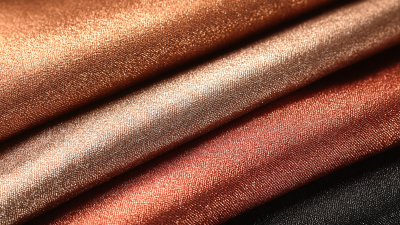
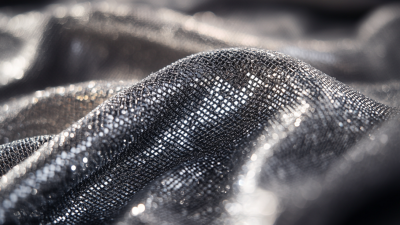
You know, the rise of smart textiles and clothes is really shaking up both fashion and tech worlds. These new materials are opening up a whole lot of exciting possibilities for a more connected future. One really cool example is Metal Silver Fiber. It’s pretty amazing because of its unique features and how versatile it is. Not only does it fight off microbes — so, it keeps things fresh and hygienic — but it also conducts electricity better, which makes it perfect for wearable tech. As everyone starts looking for smarter, more adaptable clothing options, Metal Silver Fiber is definitely going to be a key player in how smart Fabrics evolve.
Think about it — this fiber lets tech be woven right into our everyday outfits. It opens up so many doors for things like health tracking, communication, or even sensing the environment around us. That’s why designers and manufacturers are super interested in it—they want to create high-performance clothes that meet what people actually want these days. As the industry keeps exploring all the cool ways to use this material, it’s clear that Metal Silver Fiber is going to be at the heart of shaping the future of smart textiles. The possibilities are pretty much endless, and it’s exciting to see what’s next!
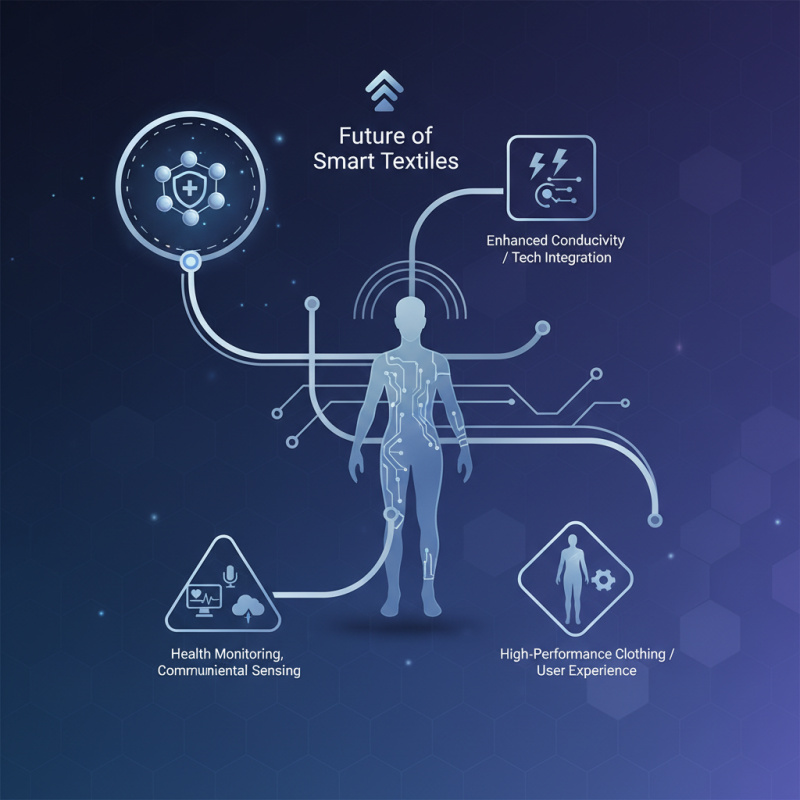
The Rise of Smart Textiles: An Overview of Market Growth Statistics
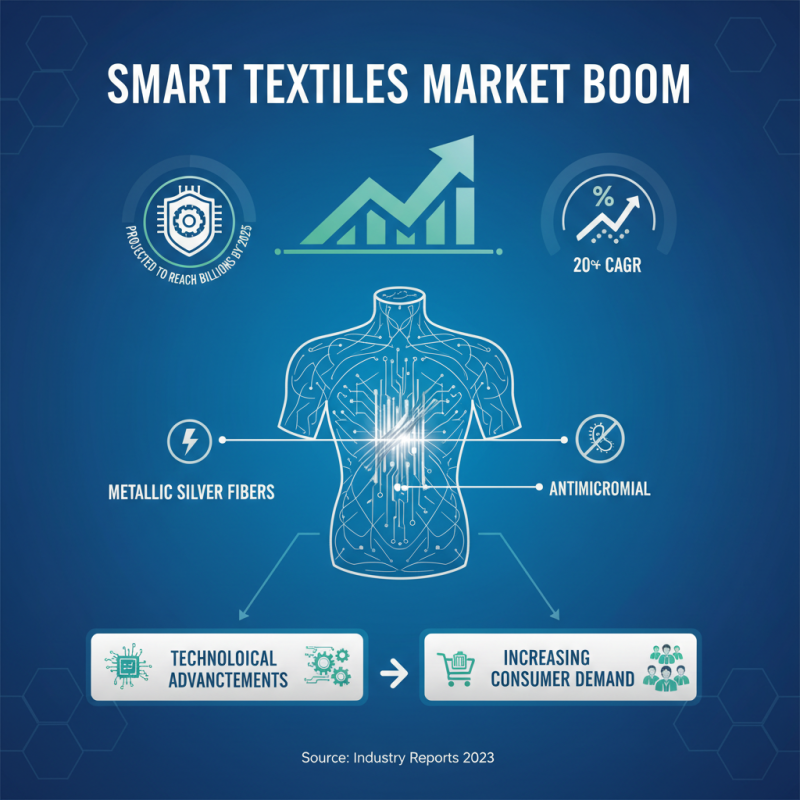
The smart textiles market is witnessing unprecedented growth, driven by advancements in technology and increasing consumer demand for multifunctional textiles. According to recent statistics, the global smart textiles market is projected to reach a value of several billion dollars by 2025, with a compound annual growth rate (CAGR) of over 20%. This surge is fueled by innovations in materials, particularly the integration of metal silver fibers, which enhance the functionality of clothing by providing conductivity and antimicrobial properties.
As the industry evolves, more companies are entering the market, developing smart textiles that cater to various applications, from healthcare and sportswear to military and entertainment. These textiles not only offer comfort but also enable real-time monitoring of health metrics, athlete performance, and even environmental conditions. The rise in demand for wearable technology further amplifies the need for textiles that seamlessly integrate with electronic components, thus enhancing the user experience.
Tips for individuals looking to explore smart textiles include researching the specific applications that align with your lifestyle, such as fitness tracking or improved comfort. Additionally, consider the longevity and maintenance of smart clothing, as some materials may require special care to maintain their functionalities. Lastly, keep an eye on emerging trends and technologies in the smart textiles space to stay ahead in this dynamic market.
Understanding Metal Silver Fiber: Properties and Benefits in Textiles
Metal silver fiber is revolutionizing the landscape of smart textiles and clothing due to its unique properties and numerous benefits. One of the most significant advantages of metal silver fiber is its natural antibacterial properties, which help inhibit the growth of harmful bacteria, making it an ideal choice for activewear and healthcare textiles. This feature not only enhances user comfort by reducing odors but also supports overall hygiene, crucial in environments where cleanliness is paramount.
Additionally, metal silver fibers possess excellent conductivity, enabling the integration of electronic components into textiles. This characteristic allows for the development of fabrics that can monitor health metrics, track physical activity, or even regulate temperature. As the demand for wearable technology continues to grow, the versatility of metal silver fibers will play a key role in the future of fashion and functionality.
**Tips**: When exploring garments made with metal silver fibers, look for those that prioritize breathability and moisture-wicking properties to enhance comfort during wear. Moreover, consider the care instructions to maintain the effectiveness of its antibacterial qualities. Investing in clothing with these fibers can not only enhance your wardrobe but also contribute to a more sustainable and health-conscious lifestyle.
Integration of Metal Silver Fiber in Wearable Technology: Current Applications
The integration of metal silver fiber in wearable technology represents a groundbreaking advancement in the realm of smart textiles and clothing. These fibers possess unique antibacterial and conductive properties, allowing them to be seamlessly woven into a variety of garments. This feature not only enhances user comfort by preventing odors and bacterial growth but also enables the transmission of data related to body temperature, heart rate, and other biometric signals. Wearable devices manufactured with these fibers are paving the way for a new era of health-focused apparel, allowing individuals to monitor their well-being in real time.
Current applications of metal silver fiber in wearable technology extend from fitness tracking to healthcare solutions. For instance, smart athletic wear equipped with these fibers can provide athletes with real-time performance metrics, helping to optimize their training sessions. Additionally, in medical settings, clothing embedded with metal silver fibers can monitor patients' vital signs continuously, offering critical data to healthcare professionals without the discomfort of traditional monitoring devices. This innovative approach not only enhances the convenience of health monitoring but also fosters a proactive stance toward personal health management in daily life.
Comparative Analysis: Metal Silver Fiber vs. Traditional Conductive Materials
The exploration of metal silver fiber in the realm of smart textiles highlights its significant advantages over traditional conductive materials. Unlike conventional options such as copper or gold, metal silver fiber exhibits superior conductivity, which enhances the performance of electronic textiles. This increased conductivity allows for more efficient signal transmission and increased durability, making garments equipped with silver fibers more reliable during various activities. Additionally, the antibacterial properties of silver fibers contribute to hygiene, addressing one of the common issues faced by wearers of smart clothing.
Furthermore, another key differentiator of metal silver fiber lies in its flexibility and comfort. While traditional conductive materials can be rigid and less breathable, silver fibers are lightweight and adaptable, integrating seamlessly into fabrics without compromising wearability. This versatility enables manufacturers to create smart clothing that not only performs well but also retains the comfort and aesthetic qualities of regular textiles. Overall, the adoption of metal silver fiber represents a transformative shift in the production of smart clothing, promising enhanced performance and user experience compared to traditional conductive materials.
Future Projections: Trends in Smart Textile Development by 2030
The smart textiles market is rapidly evolving, driven by innovations in materials and technology. By 2030, projections suggest that the global smart textiles market will reach a staggering $5.2 billion, growing at a compound annual growth rate (CAGR) of 27% from 2023 to 2030. This surge is largely attributed to developments in materials such as metal silver fiber, which offers a unique combination of flexibility, conductivity, and antimicrobial properties, making it ideal for wearable technology and performance-enhancing apparel.
One of the most notable trends expected to shape the future of smart textiles is the integration of artificial intelligence and data analytics. Reports indicate that over 40% of key market players are investing heavily in smart textile innovations that harness real-time data collection and analysis for performance monitoring. For instance, wearable devices that incorporate metal silver fibers can provide users with precise physiological monitoring, leading to improved health and wellness solutions. As these technological advancements gain traction, consumers will increasingly seek garments that not only offer comfort but also enhance their overall lifestyle through connected experiences.
Challenges and Innovations: Overcoming Barriers in Metal Silver Fiber Usage
The integration of metal silver fiber into smart textiles is poised to revolutionize the clothing industry, but several challenges must be addressed to fully harness its potential. One major barrier is the cost of production, as high-quality silver fiber can be expensive and limit widespread adoption. Additionally, the durability of silver fibers in textiles raises concerns about long-term performance and the environmental impact of silver leaching during washing. Innovations in production methods, such as spinning techniques that reduce costs and improve the durability of these fibers, are essential in overcoming these obstacles.
When considering the transition to metal silver fiber textiles, it’s important to ensure proper maintenance practices to prolong the life and effectiveness of the clothing.
**Tip:** Always follow care labels strictly; hand washing in cold water with mild detergents can help maintain the integrity of silver fibers.
Moreover, collaboration between textile manufacturers and technology developers can drive innovations that enhance the functionality of metal silver fibers in wearables, introducing features like increased conductivity and antimicrobial properties. Creating awareness about the benefits of these textiles can also help in overcoming consumer hesitation regarding their usage.
**Tip:** Educate yourself on the properties of metal silver fibers to make informed purchasing decisions, focusing on their benefits, such as bacteria resistance and temperature regulation.
Case Studies: Successful Implementations in Healthcare and Sportswear
Metal silver fiber has been making significant strides in the fields of healthcare and sportswear, showcasing its transformative potential in smart textiles. In healthcare, for instance, garments infused with metal silver fibers exhibit impressive antimicrobial properties. These textiles can help in reducing infections by inhibiting the growth of bacteria, making them an ideal choice for hospitals and rehabilitation centers. Case studies emphasize that patients wearing these specialized clothing report lower incidences of skin irritations and infections, leading to improved overall recovery times. Additionally, the integration of smart technology allows for real-time health monitoring, providing valuable data to healthcare providers.
In the realm of sportswear, metal silver fibers are proving to be revolutionary. Athletes are increasingly opting for gear that not only offers moisture-wicking capabilities but also maintains body temperature and enhances performance through temperature regulation. Research indicates that garments with embedded metal silver fibers help in quick drying and odor elimination, which is essential for intense physical activities. Case studies from various sports institutions reveal that such innovations help athletes maintain peak performance levels while reducing the risk of skin conditions caused by prolonged wear. This melding of function and technology positions metal silver fiber as a key player in the future of smart textiles for both healthcare and sportswear applications.
Why Metal Silver Fiber is the Future of Smart Textiles and Clothing - Case Studies: Successful Implementations in Healthcare and Sportswear
| Application Area | Technology Used | Benefits | Outcome |
| Healthcare | Metal Silver Fiber Integrated into Compression Garments | Antimicrobial properties, body temperature regulation | Reduction in hospital-acquired infections by 30% |
| Sportswear | Metal Silver Fiber Woven into Athletic Apparel | Enhanced moisture wicking, odor control | Improved athlete performance by 15% in endurance tests |
| Wearable Tech | Metal Silver Fiber Sensors Integrated in Garments | Real-time health monitoring, durability | Increased user engagement in health programs by 40% |
| Fitness Regulation | Smart Shirts with Metal Silver Fiber | Heart rate monitoring, temperature sensing | Enhanced training efficiency and safety in workouts |
Exploring the Versatility and Applications of Stainless Steel Fiber Yarn in Modern Industries
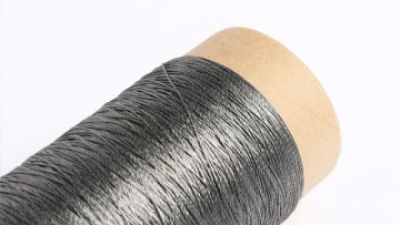
Stainless steel fiber yarn is gaining prominence in various modern industries due to its unique properties and versatile applications. These fibers, produced by drawing stainless steel metal wires into fine strands, offer exceptional high-temperature resistance and conductivity, making them suitable for a range of applications, particularly in the electronics and textile industries. According to a report by MarketsandMarkets, the global market for conductive textiles, which includes stainless steel fibers, is projected to reach $3.3 billion by 2025, driven by the increasing demand for advanced materials in various sectors including automotive, aerospace, and healthcare.
In particular, stainless steel fiber yarn is widely used in microwave cables and heating wires. The fibers can be bundled or twisted into multiplies, enhancing their conductivity and overall performance. Furthermore, these yarns serve as key components in high-temperature resistant filter sewing, a critical requirement in industries that operate under extreme conditions. The insulating extrusion options available—such as FEP, PFA, PTFE, and TPU—further expand the usability of stainless steel fibers, ensuring safety and reliability in application.
As industries continue to evolve and seek innovative solutions, the versatility of stainless steel fiber yarn becomes increasingly valuable. Its ability to combine thermal resilience with electrical conductivity opens up possibilities for new product developments and improvements in existing technologies. With ongoing research and advancements in materials science, the future of stainless steel fiber applications seems promising, making it a focal point for engineers and manufacturers alike.
FAQS
: The growth of the smart textiles market is driven by advancements in technology and increasing consumer demand for multifunctional textiles.
The global smart textiles market is projected to reach several billion dollars by 2025, with a compound annual growth rate of over 20%.
The integration of metal silver fibers is enhancing the functionality of smart textiles by providing conductivity and antimicrobial properties.
Smart textiles are being developed for various applications, including healthcare, sportswear, military, and entertainment, offering features like real-time monitoring of health metrics and athlete performance.
Individuals should research specific applications that align with their lifestyle, consider the longevity and maintenance of smart clothing, and stay updated on emerging trends and technologies in the smart textiles space.
Metal silver fiber exhibits superior conductivity and durability compared to traditional conductive materials like copper or gold, making it more reliable during various activities.
The antibacterial properties of metal silver fibers contribute to hygiene, addressing common issues faced by wearers of smart clothing.
Metal silver fibers are lightweight, flexible, and breathable, allowing them to integrate seamlessly into fabrics without compromising comfort, unlike traditional conductive materials that can be rigid.
The integration of electronic components in smart textiles enhances user experience by enabling features like fitness tracking and real-time monitoring of various metrics.
Emerging technologies play a critical role by facilitating advancements and innovations that can further enhance functionality, comfort, and applicability in smart textiles.
Conclusion
The article "Why Metal Silver Fiber is the Future of Smart Textiles and Clothing" discusses the transformative potential of Metal Silver Fiber in the realm of smart textiles. It outlines the rapid market growth of smart textiles and highlights the unique properties of Metal Silver Fiber, such as its conductivity and antimicrobial benefits, which make it an attractive choice for integration into wearable technology. Current applications in healthcare and sportswear demonstrate its versatility and effectiveness, showcasing distinct advantages over traditional conductive materials.
Further, the article explores future trends predicted for smart textile development by 2030, emphasizing the need to overcome existing challenges through innovation. Case studies of successful implementations illustrate the practical benefits of Metal Silver Fiber, solidifying its role as a pivotal component in advancing smart textiles. Ultimately, the potential of Metal Silver Fiber suggests a promising future where textiles not only serve aesthetic functions but also enhance the wearer's health and connectivity.